Vision
To be the global benchmark for sustainable textile manufacturing, driving innovation and ethical practices to create a net-positive impact on our planet and communities.
Do You Know?
Most of the landfill problems are overcome with the rapid emergence of the Textile recycling
process.
The process in which the old clothing materials, clipping wastes of textiles, and
used garments are collected for reuse is called Textile recycling.
We think about the future
for the next generation.
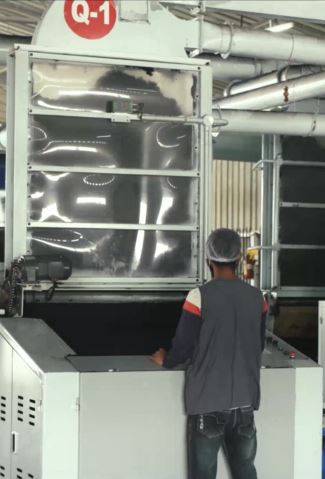
Shredding of Textile Waste:-
Textile waste is first collected and shredded into small pieces to make it easier to handle
and recycle. This process helps remove unwanted materials and prepares the fibers for further
processing. Shredding ensures uniformity and efficiency in converting waste into reusable
stock. It is the first step toward sustainable textile production. Proper shredding also
reduces environmental impact by diverting waste from landfills.
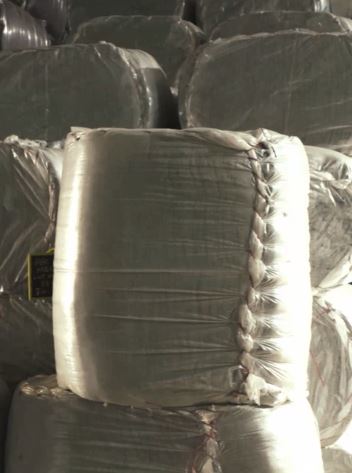
Fiber Stock:-
Shredded textile waste is processed into fiber stock, which serves as the raw material for
spinning new yarns. The fibers are cleaned, aligned, and blended to maintain consistency and
strength. High-quality fiber stock ensures durability and uniformity in the final products.
It is carefully prepared to meet industry standards for yarn production. This step forms the
foundation for producing strong and reliable textiles.
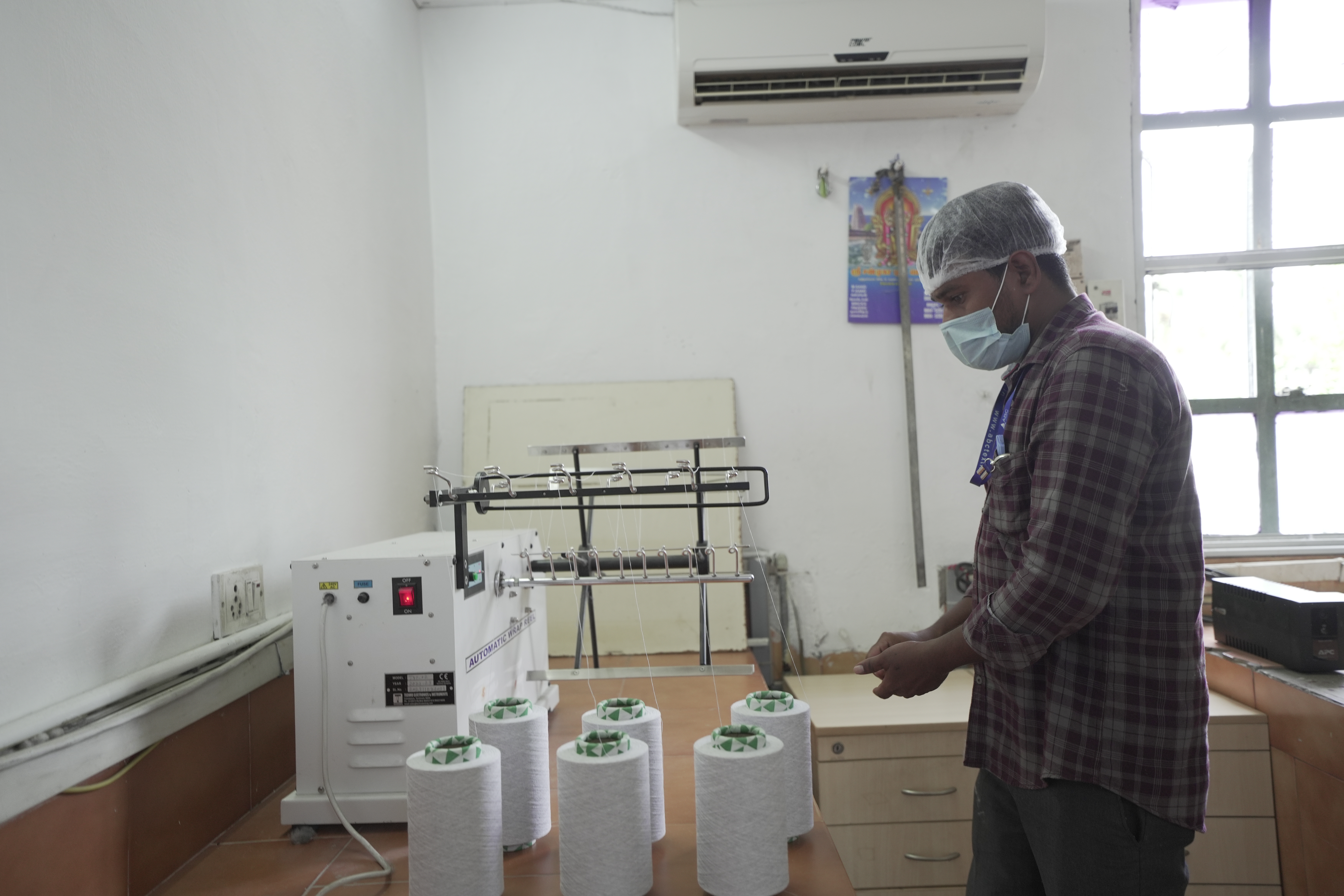
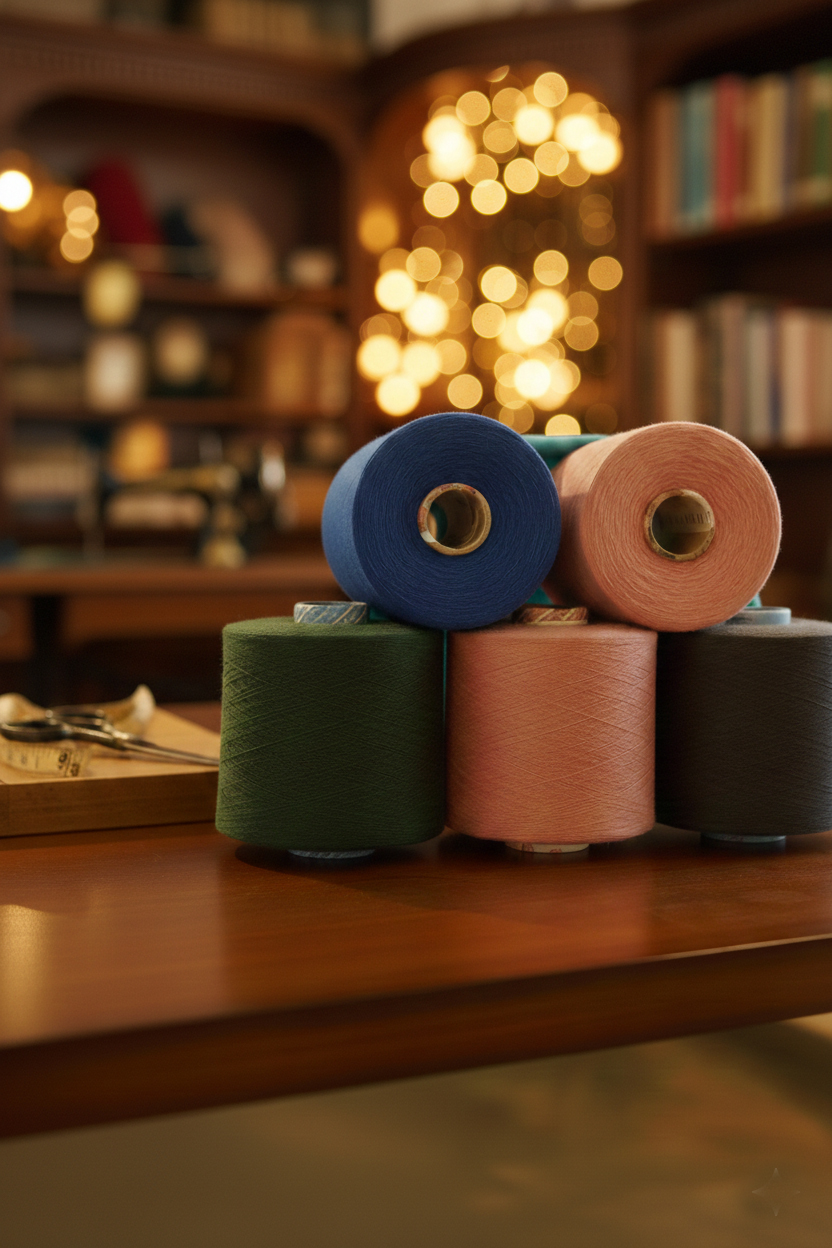
Yarn Spinning:-
Fiber stock is spun into yarn using specialized spinning machines that twist and strengthen
the fibers. The process converts loose fibers into continuous threads suitable for weaving or
knitting. Yarn spinning ensures uniform thickness, strength, and flexibility. It is a
critical step that determines the quality of the fabric and garments. Modern spinning
techniques enhance efficiency and product consistency.
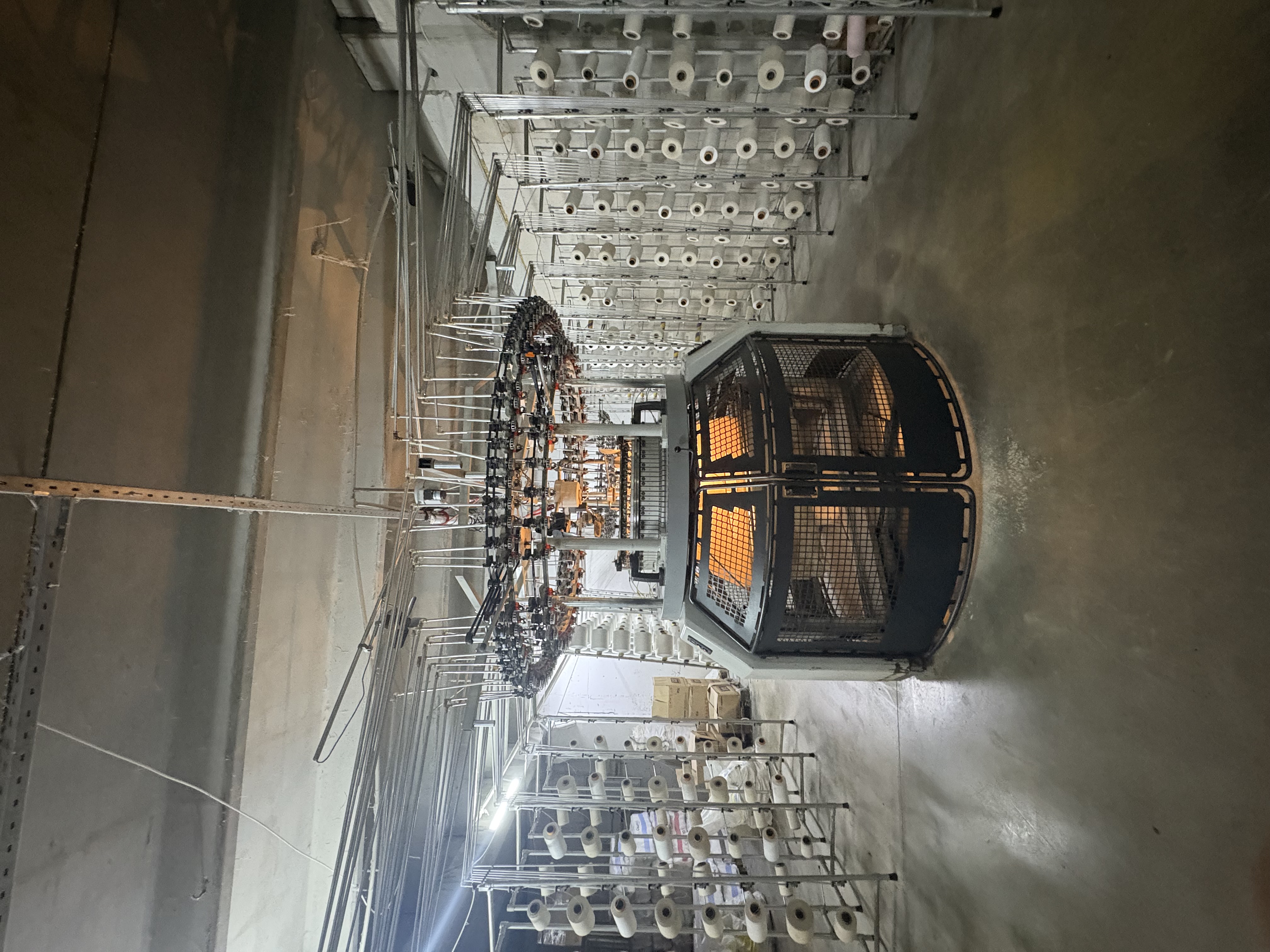
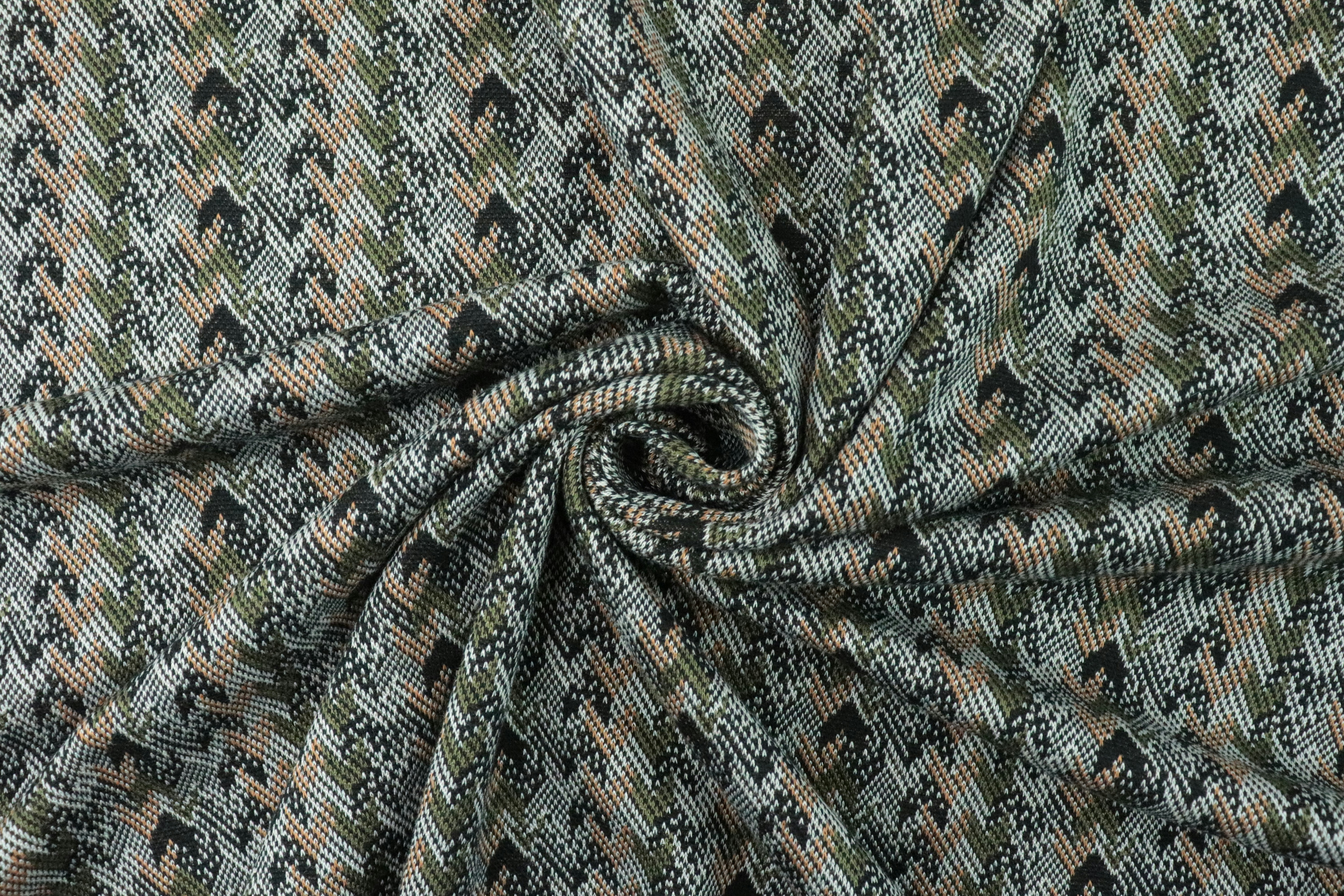
Knitting:-
Yarns are knitted into fabrics using machines or manual methods, depending on the design
requirements. Knitting creates stretchable, flexible materials suitable for garments, home
textiles, and other applications. Different patterns and techniques are used to achieve
unique textures and durability. Knitting combines creativity with functionality, ensuring
high-quality fabrics. It is an essential process in transforming yarn into usable textile
material.
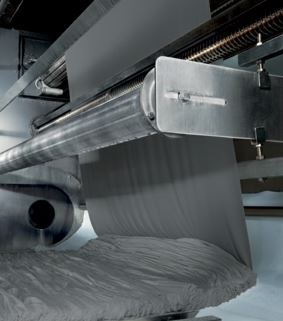
Fabric Processing:-
Knitted or woven fabrics undergo processing steps such as washing, bleaching, dyeing, and
finishing. This enhances color, texture, and strength while making the fabric suitable for
various applications. Fabric processing also ensures that the material meets quality and
aesthetic standards. It improves softness, shine, and durability. This step prepares the
fabric for inspection and garment manufacturing.
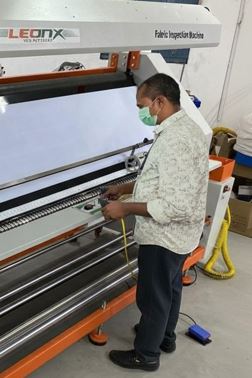
Fabric Checking:-
Processed fabrics are carefully inspected to detect defects, irregularities, or color
inconsistencies. Fabric checking ensures that only high-quality materials proceed to garment
production. Minor flaws are corrected or removed to maintain standards. This quality control
step minimizes waste and improves customer satisfaction. It is a vital process for consistent
textile manufacturing.
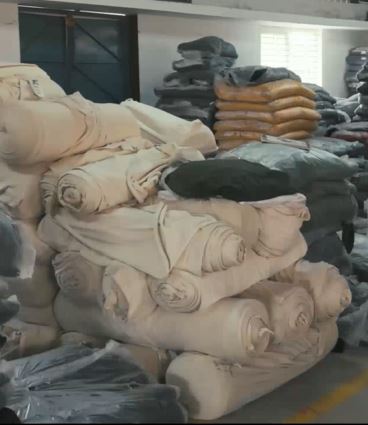
Fabric Warehouse:-
Checked fabrics are stored in warehouses under controlled conditions to maintain quality and
prevent damage. Organized storage allows easy retrieval for production schedules. Proper
warehousing protects the fabric from moisture, dust, and other contaminants. It ensures a
smooth supply chain for garment manufacturing. Efficient fabric storage also supports timely
delivery of finished products.
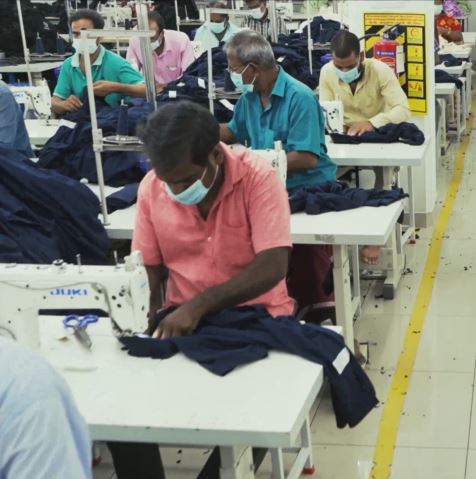
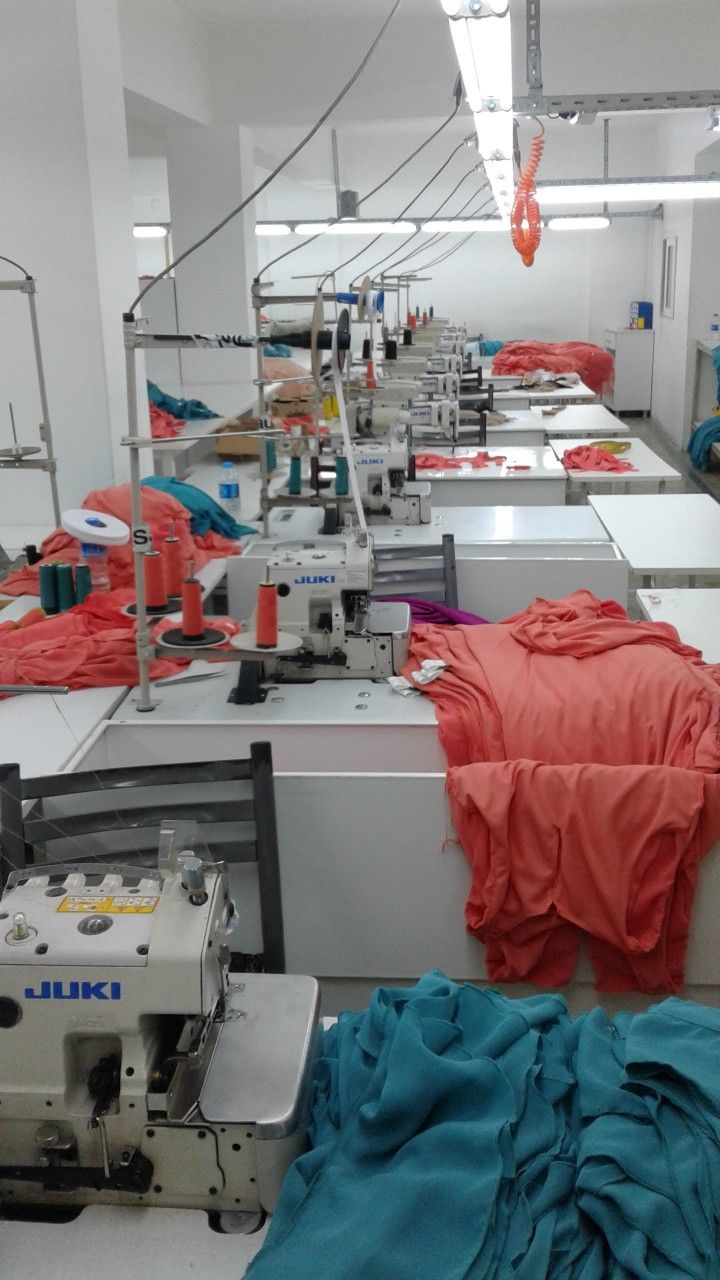
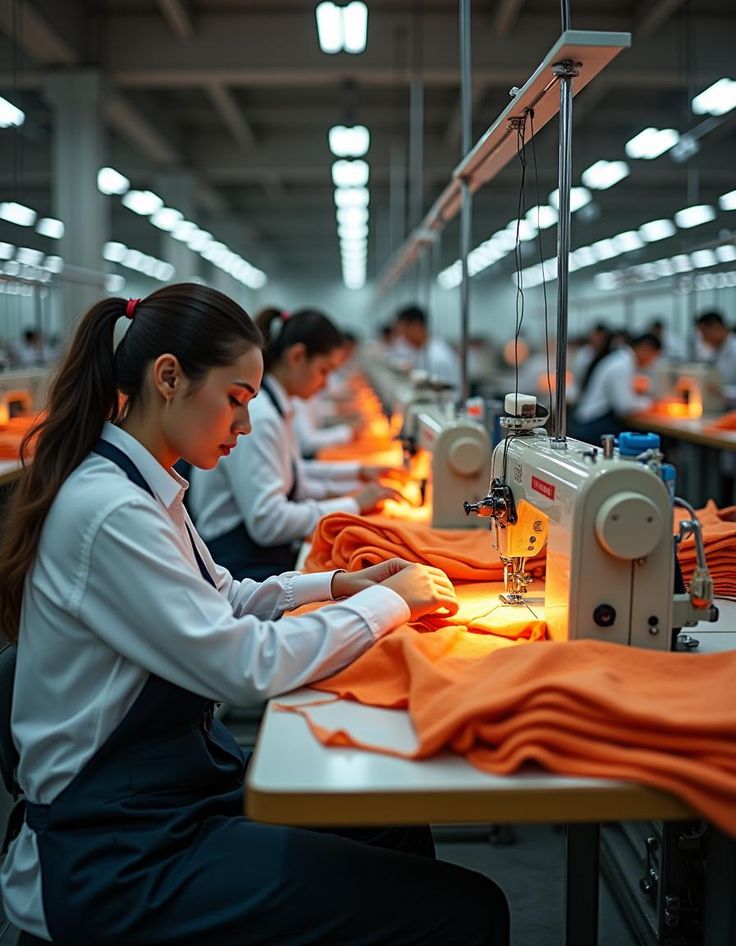
Garmenting:-
Cut fabric pieces are sewn together to form finished garments using skilled labor or
automated machinery. Garmenting ensures durability, style, and comfort in the final product.
Machines and workers work together to maintain high-quality standards. This step transforms
fabric into wearable clothing. Proper garmenting is key to customer satisfaction and product
longevity.
To be the global benchmark for sustainable textile manufacturing, driving innovation and ethical practices to create a net-positive impact on our planet and communities.
Our mission is to produce premium yarns, fabrics, and garments through an integrated, fully traceable, and circular process.
We commit to achieving 100% waste recycling in production and reducing carbon emissions by 50% by 2030.

We are dedicated to minimizing our environmental footprint through responsible manufacturing practices. Our policy focuses on reducing water, energy, and chemical usage throughout the production lifecycle. We adhere to the highest international standards to ensure sustainability is at the core of our operations.
Read Full Policy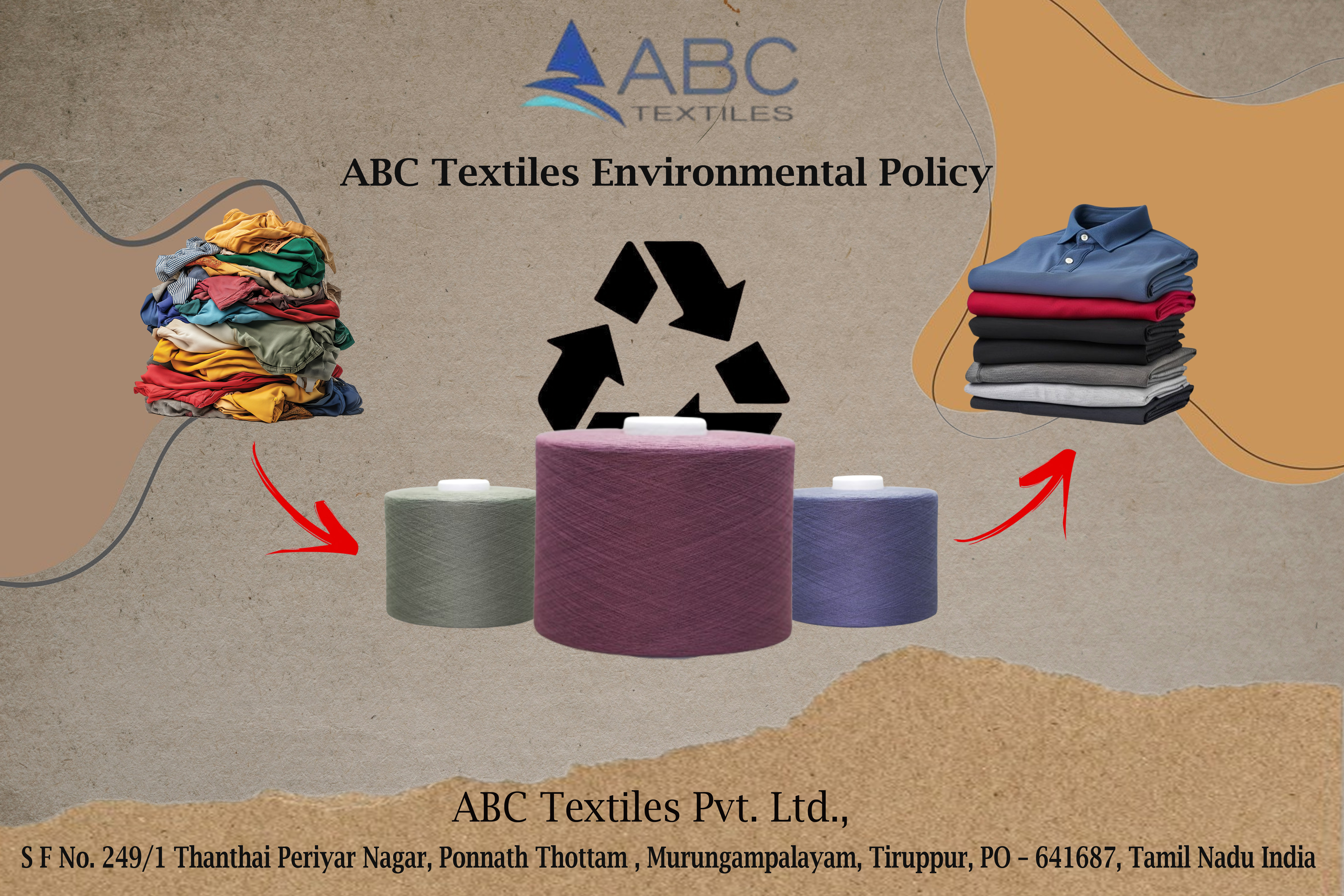
Our goal is to achieve net-zero carbon emissions by 2040. We actively monitor and manage our energy consumption using advanced technologies. This includes transitioning to renewable energy sources and implementing waste heat recovery systems to continuously improve our environmental performance.
.jpg)